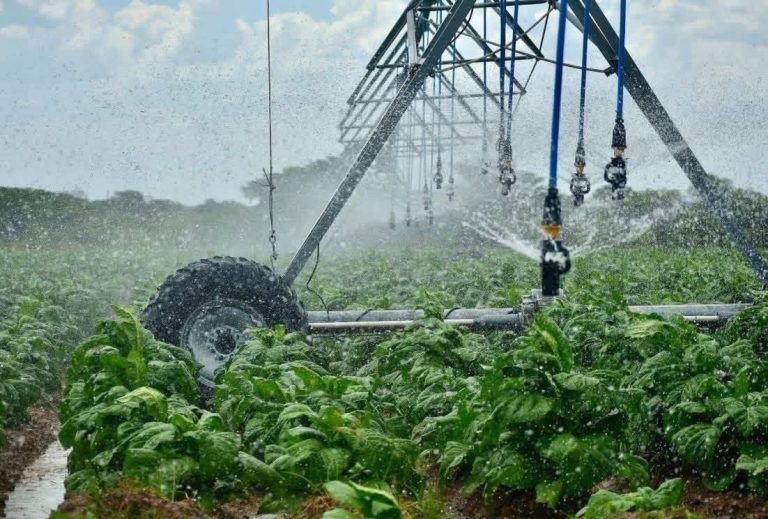

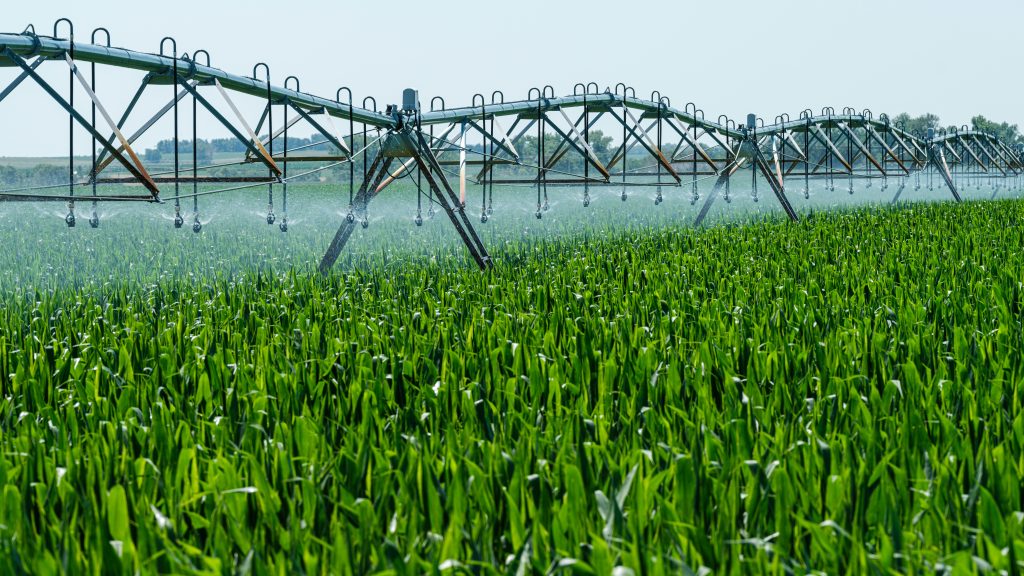
More than 35 irrigation schemes across Zimbabwe have been rehabilitated and developed through funding generated from the Grain Import Levy, providing a major boost to agricultural production and strengthening the country’s food security ambitions.
The investments are helping to restore productivity on thousands of hectares of land that had either fallen into disuse or were operating below capacity due to ageing infrastructure and unreliable water supplies. For farmers, the rehabilitation programme is opening the door to year-round production, improved yields and increased incomes.
The significance of the initiative extends beyond the physical restoration of irrigation infrastructure. It reflects a broader effort to equip the agricultural sector with the tools needed to withstand climate shocks, improve productivity and support sustainable economic growth.
In recent years, unpredictable rainfall patterns and recurring droughts have highlighted the need for reliable irrigation systems as a cornerstone of agricultural development. Access to water remains one of the most critical factors determining farm productivity, particularly in regions prone to dry spells.
The rehabilitation programme has seen investments directed towards repairing canals, upgrading pumping stations, modernising water distribution networks and expanding irrigable land. These improvements are enabling farmers to make full use of their land while reducing their dependence on seasonal rainfall.
The availability of irrigation is transforming farming communities. Instead of producing crops during a single season, many farmers can now harvest multiple crops annually, ensuring a steady flow of income throughout the year. The development also allows producers to diversify into horticulture and other high-value crops that require reliable water supplies.
The benefits are also being felt beyond the farm gate. Increased agricultural production creates demand for transport services, agro-processing facilities, input suppliers and marketing businesses, stimulating economic activity across rural areas. Construction and rehabilitation works associated with irrigation projects have likewise provided employment opportunities in local communities.
Importantly, the irrigation developments support Zimbabwe’s drive to strengthen domestic food production and reduce reliance on imports. As more land is brought under irrigation and agricultural output increases, the country is better positioned to meet local demand while preserving foreign currency.
The revival of more than 35 irrigation schemes is therefore about more than restoring damaged infrastructure. It is about creating a foundation for sustainable agricultural growth, supporting farmer livelihoods and building resilient value chains that can drive rural development for years to come.
As Zimbabwe continues to prioritise agricultural transformation, irrigation development is increasingly emerging as a key pillar of the country’s strategy to achieve food security, boost rural incomes and ensure stable production throughout the year. Through the Grain Import Levy, resources are being channelled into projects that have the potential to reshape the agricultural landscape and secure the future of farming communities nationwide.