
As countries grapple with the effects of climate change, governments are increasingly turning to legislation not just to regulate industries, but to shape how economies adapt to future challenges.
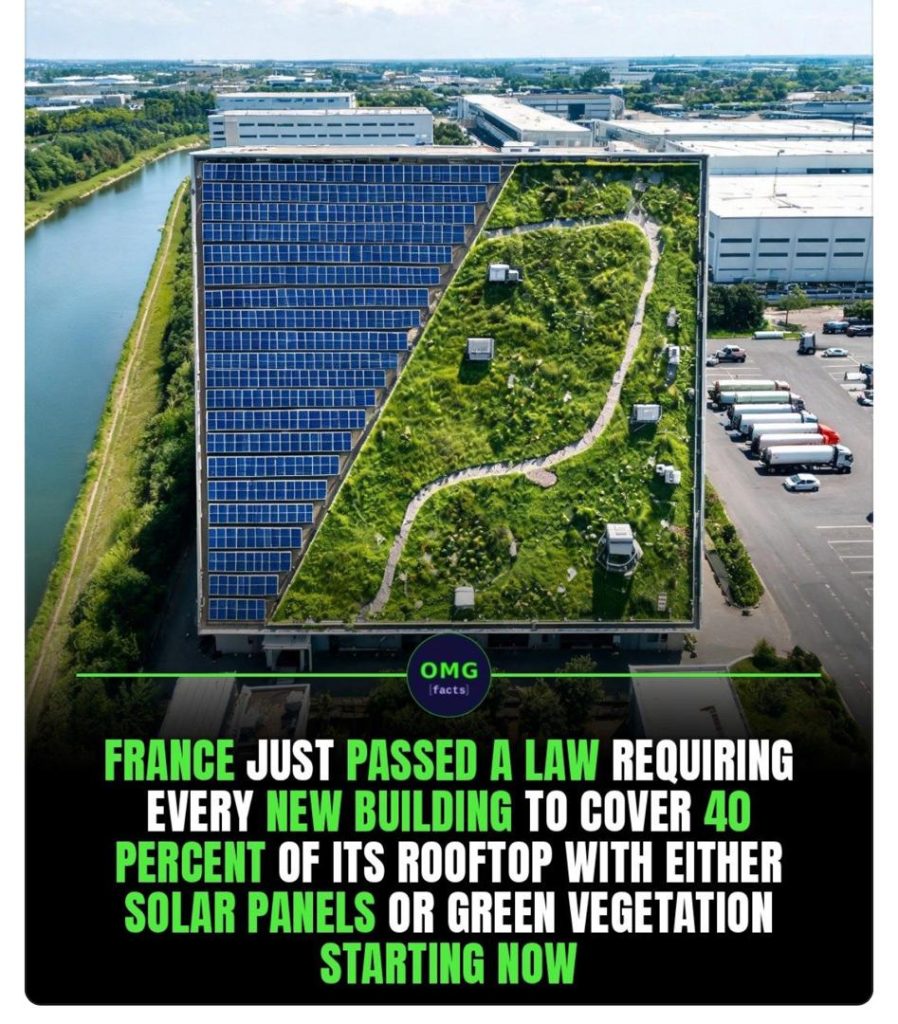
France recently drew international attention after introducing measures requiring new commercial buildings to dedicate a portion of their rooftops to solar panels or vegetation. The move is designed to improve energy efficiency, reduce urban heat and promote environmental sustainability.
Zimbabwe’s response to climate pressures is taking a different path, but the thinking behind it is remarkably similar.
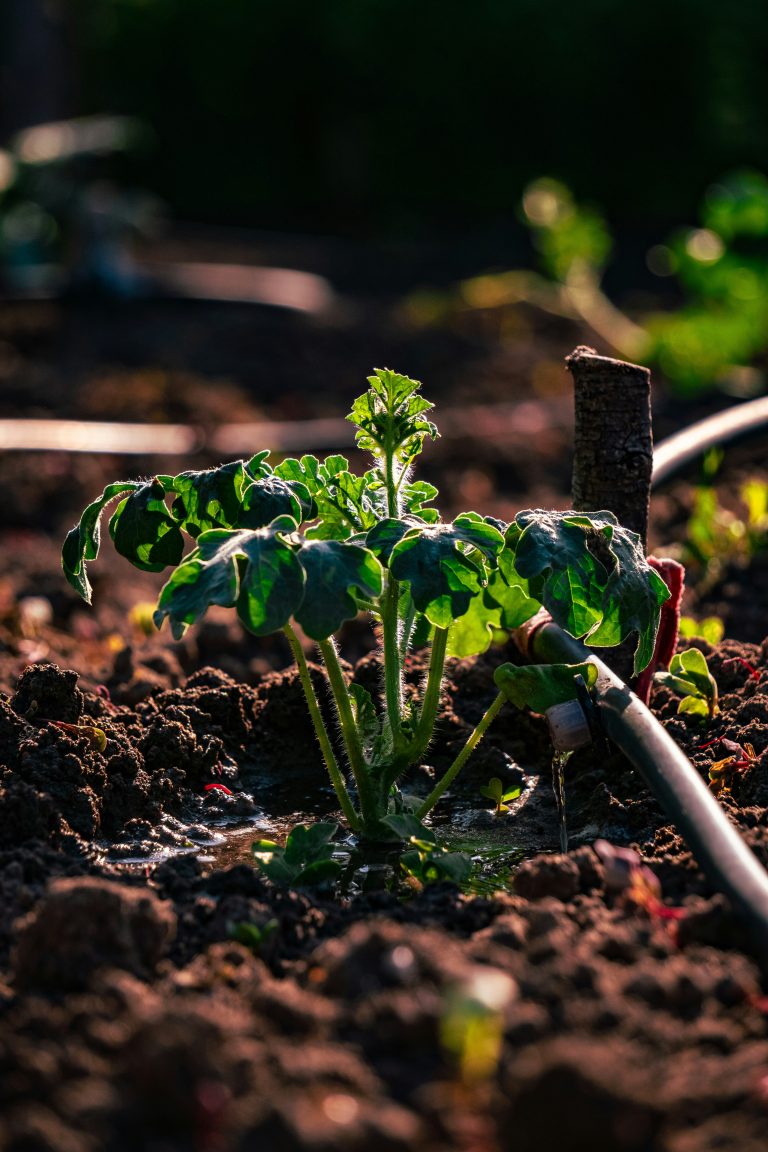
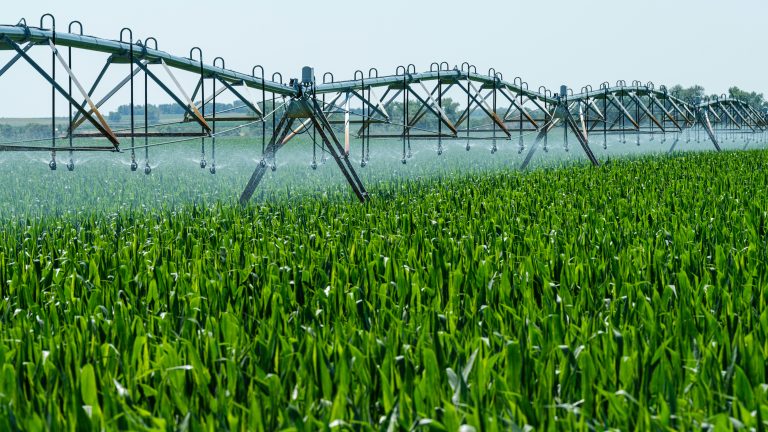
Through Statutory Instrument 87 of 2025, Government created a funding mechanism aimed at strengthening the country’s agricultural sector by investing in irrigation infrastructure, an area widely regarded as essential for sustaining production in the face of erratic rainfall patterns.
Agriculture remains one of the pillars of Zimbabwe’s economy, yet recurring droughts and changing weather conditions have frequently disrupted output. The introduction of the Grain Import Levy under SI 87 was intended to provide predictable funding for long-term irrigation development rather than relying solely on annual budget allocations.
Funds collected through the levy are channeled into the Irrigation Development Fund, administered through AFC Land and Development Bank, with a portion supporting Grain Marketing Board operations.
The impact of the programme is already beginning to emerge. More than 35 irrigation schemes across the country have reportedly been rehabilitated and developed using resources raised through the levy. The projects are restoring previously under-utilized land, improving access to water and enabling farmers to maintain production even when rainfall is below normal.
While France is investing in greener cities through rooftop solar installations and vegetation, Zimbabwe is investing in water infrastructure that can sustain agricultural production during dry seasons. Although the sectors differ, both countries are using legislation as a tool to respond to climate-related risks before they become crises.
The broader lesson is that modern policy is increasingly moving beyond regulation. In many countries, laws are now being crafted to direct investment toward strategic national priorities, whether that is renewable energy, environmental protection, food security or climate resilience.
For Zimbabwe, SI 87 represents more than a revenue-collection mechanism. It is part of a wider effort to shift agriculture from dependence on rainfall towards a more reliable and productive system anchored on irrigation.As climate shocks become more frequent across the globe, measures that strengthen resilience are likely to play a growing role in economic planning. In that respect, France’s green-roof initiative and Zimbabwe’s irrigation-focused levy may be addressing different challenges, but they share the same objective: preparing for a future in which sustainability and resilience are no longer optional.