
The Reserve Bank of Zimbabwe (RBZ) anticipates annual ZiG inflation to remain low and stable, averaging 5% and within the SADC macroeconomic convergence target of 3-7% by the end of the year.
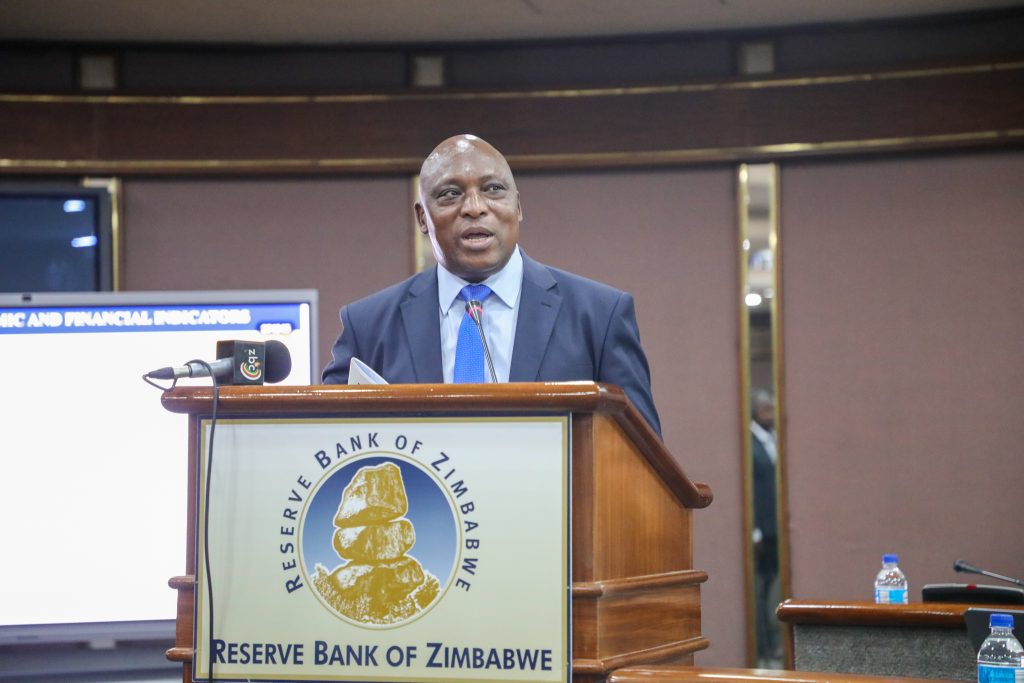
Central bank governor Dr John Mushayavanhu said month-on-month inflation is projected to remain below 1%, without any significant domestic and external shocks.
This comes as development think-tank Africa Economic Development Strategies (AEDS) is of the firm view that the country will sustain single-digit inflation and entrench durable stability notwithstanding the existence of external shocks.
The AEDS projection is based on several reinforcing factors, which include firmly anchored inflation expectations, tight monetary policy, sustained stability in the local currency’s exchange rate, and strengthened coordination between monetary and fiscal authorities to prevent deficit monetisation.
During the first half of 2026, ZiG annual inflation was sustained below 5% reflecting the Reserve Bank’s prudent monetary policy.
“The prevailing low and stable inflation environment has supported greater predictability and certainty, critical for business planning, investment and inclusive growth,” Dr Mushayavanhu said in the 2026 Mid-Term Monetary Policy Statement.
Annual ZiG inflation increased from 4.1% in January 2026 to 4.8% in April 2026, driven mainly by the increase in fuel prices, before reverting to its pre-shock path in May 2026.
The governor said the moderate increase in annual inflation in April 2026 reflected more well-anchored inflation expectations.
Annual inflation stood at 3.2% in July 2026, on account of the decline in fuel prices in June 2026 and the stability of the ZiG/US$ exchange rate.
“The significant decline in annual inflation from 4.7% in June 2026 to 3.2% in July was also explained by the favourable base effect, reflected in the slowdown in monthly inflation in July 2026 to 0.1%, compared to 1.6% recorded in the same month in 2025,” Dr Mushayavanhu said.
He noted that during the half year, the major rivers of annual inflation included food inflation, housing, water, electricity and gases, and transport divisions.
He highlighted that an analysis of the disaggregated monthly inflation dynamics by its major drivers from March to July 2026 shows that inflation pressures have been broadly benign, with only the fuel and transport inflation increasing at well above 1%.