
Zimbabwe has officially been admitted as a member of the BRICS New Development Bank (NDB), unlocking new credit channels and long-term development capital for the country as it expands its multilateral financing sources.
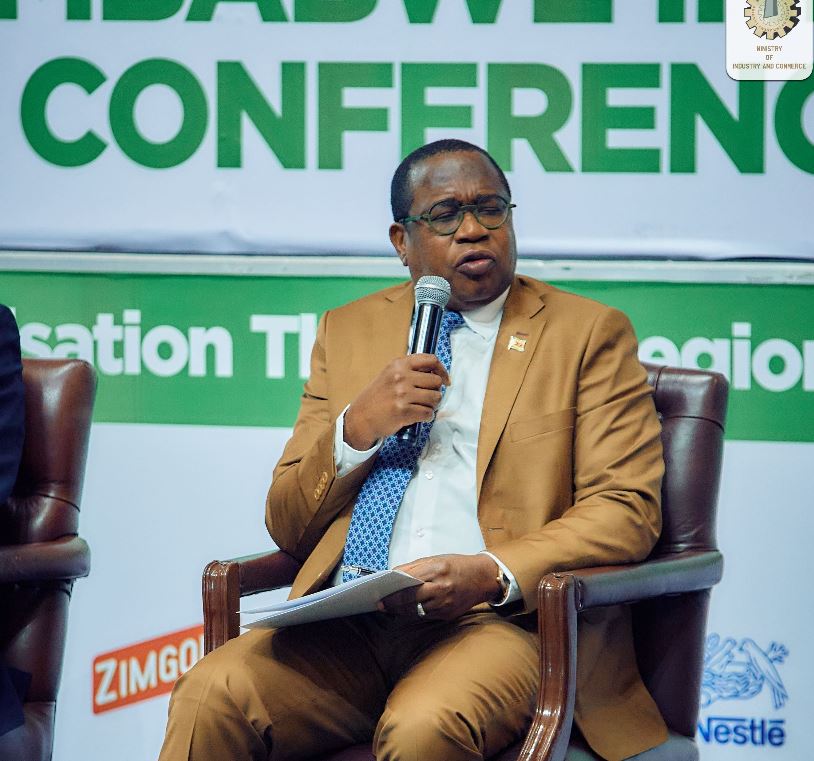
Minister of Finance, Economic Development, and Investment Promotion Professor Mthuli Ncube confirmed the approval during an address at the Zimbabwe Industrialisation Conference and Expo (ZICE) in Harare.
Ncube revealed that the country secured official approval to join the Shanghai-based institution, with a formal briefing scheduled to follow.
“We are now a member of the BRICS Bank, which is based in Shanghai. So, you can now access capital from the BRICS Bank. We will make a formal announcement properly later,” Ncube told delegates at the conference.
The milestone marks the culmination of an accession process initiated when President Emmerson Mnangagwa’s government formally applied for membership in 2023, followed by board authorisation led by NDB President Dilma Rousseff earlier this year.
Treasury is expected to release a detailed statement outlining the terms of membership, equity commitments, and project pipelines earmarked for early financing.
Established in 2014 by the founding BRICS bloc, Brazil, Russia, India, China, and South Africa, the New Development Bank began formal operations in 2015 to serve as a complementary counterweight to traditional Bretton Woods entities like the World Bank and the International Monetary Fund.
Headquartered in Shanghai, the bank was created specifically to mobilise resources for infrastructure, energy security, digital transition, and sustainable development projects across emerging markets and developing economies.
Operating with an authorised capital base of $100 billion, the NDB has actively expanded its global membership beyond its founding members, admitting countries including the United Arab Emirates, Bangladesh, Egypt, and Algeria.
For Zimbabwe, securing full membership and access to the NDB’s balance sheet provides critical strategic relief from long-standing credit constraints.
Due to legacy external debt overhangs and international financial restrictions, Harare has historically faced severe limitations when trying to access concessional loans from traditional Western-backed multilateral lenders.
The NDB offers an alternative source of hard-currency project finance that does not carry the political conditionalities often attached to traditional structural adjustment packages.
Treasury intends to direct incoming NDB credit facilities toward major national priorities under the National Development Strategy 2 framework.
Primary targets include energy generation, road and rail modernisation, water management, and industrial expansion aimed at driving value addition across mining and agriculture.
Joining the bank deepens Zimbabwe’s South-South economic integration, giving the country a stronger institutional voice alongside major emerging economies as Harare continues to pursue full membership in the main BRICS bloc.