
The World Bank Group has officially removed Zimbabwe from its classification of fragile and conflict-affected economies, effective July 1, 2026, marking a significant milestone in the country’s economic and institutional reform efforts.
The decision follows the introduction of the World Bank’s revised framework for the 2027 fiscal year, which established the Public Fragility, Conflict and Violence List and the Institutional Fragility List.
The former identifies nations where organised political violence impacts at least 20% of the population, while the latter includes countries with a Country Policy and Institutional Assessment score strictly below 3.0. Zimbabwe qualified for delisting after failing to meet the criteria for either category.
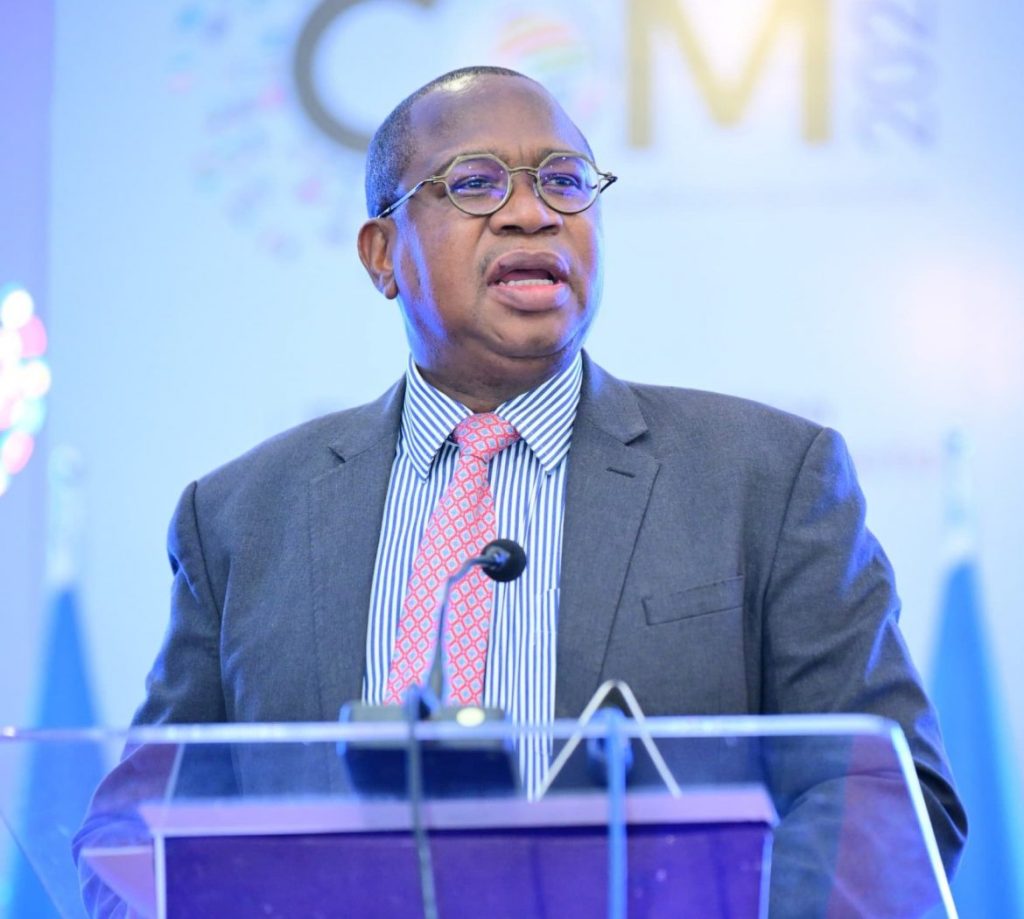
In a press statement, Minister of Finance, Economic Development and Investment Promotion, Hon. Professor Mthuli Ncube, welcomed the development as international validation of the country’s ongoing reforms.
“Under the World Bank Group’s revised classification framework for the 2027 fiscal year, Zimbabwe is no longer on the list of countries that are classified as fragile and conflict-affected economies. This marks an important milestone in the country’s ongoing economic and institutional transformation,” he said.
Prof Ncube stated that the reclassification “signals international recognition of Zimbabwe’s improving institutional resilience and provides further impetus to the reforms underway under the Second Republic toward attaining Vision 2030 and an empowered and prosperous upper-middle-income society.”
The Minister highlighted several economic indicators that coincided with the World Bank’s assessment, including a real Gross Domestic Product growth rate of 8.3% in 2025, driven by output across agriculture, mining, manufacturing, and services.
Annual ZiG inflation fell to 2.9% in August 2026, supported by improved fiscal and monetary discipline, controlled public expenditure, and limited monetary expansion.
The Minister also highlighted advancements in governance and fiscal transparency, noting that Zimbabwe achieved a transparency score of 62 out of 100 in the 2025 Open Budget Survey.
The result represents a 39-point increase in the country’s budget transparency score since 2017, positioning Zimbabwe among the top performers in Sub-Saharan Africa.
Prof Ncube said the delisting is expected to enhance the country’s global financial standing, reduce perceived investment risk, and boost both domestic and foreign direct investment.
He noted that the exit from the fragility lists will open opportunities for commercial project financing, infrastructure partnerships, and co-financing arrangements, while supporting the country’s Arrears Clearance, Debt Relief and Restructuring Process.
“Building a resilient, competitive, and inclusive economy that creates jobs, attracts investment, improves public services and raises the quality of life for all its citizens, leaving no one and no place behind, remains the Government’s top priority,” Prof Ncube said.
The Minister confirmed that the government intends to maintain its current policy trajectory, stating that it “remains committed to implementing the reforms necessary to consolidate macroeconomic stability, strengthen governance, improve the investment climate and advance the Structured Dialogue Platform on arrears clearance and debt resolution.”