

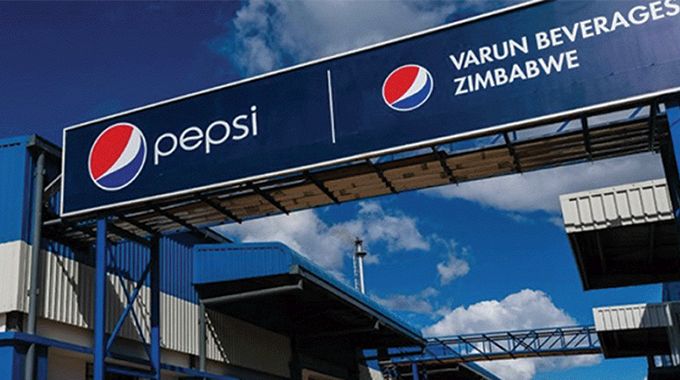
Zimbabwe’s beverages industry is set for a fresh wave of investment as Varun Beverages Zimbabwe prepares to launch Carlsberg beer on the local market this month, before moving into domestic production in 2027.
The first phase of the agreement will begin on September 20, when Varun starts importing and distributing Carlsberg products in Zimbabwe.
The distribution launch is expected to lay the foundation for a much larger investment, with Varun committing US$250 million towards establishing a beer manufacturing plant in partnership with Carlsberg.
The project could transform the partnership from a distribution arrangement into one of the country’s more significant new investments in the beverage manufacturing sector.
Varun Beverages Zimbabwe chief executive officer Vijay Kumar Bahl said the company was well placed to take the global brand into the local market because of the distribution network it had developed through its existing operations.
“Over the years, Varun Beverages Zimbabwe has built a strong, multi-layered route-to-market and distribution network, supported by people, infrastructure and execution capabilities reaching customers across the country,” Bahl said.
“We now look forward to putting that distribution strength behind a globally recognised beer brand and bringing it closer to Zimbabwean consumers.”
The company has already established itself in Zimbabwe’s soft drinks manufacturing industry, making the Carlsberg partnership a significant expansion into beer.
The September launch will initially rely on imported beer, while Varun works towards completing its local manufacturing facility.
Local production is expected to commence in 2027, marking the second phase of the agreement and potentially changing the economic impact of the project.
Bahl had previously confirmed that manufacturing would form the next stage of the partnership.
“Varun Beverages Ltd signed a sale and distribution agreement for beer with Carlsberg for Africa, including Zimbabwe as the first phase,” he said.
“In the second phase, the manufacturing will be done in Zimbabwe with the successful launch of beer in the local market.”
The shift towards local production is particularly significant as government continues to promote industrialisation, import substitution and greater utilisation of domestic production capacity.
Instead of relying permanently on imported beer, local manufacturing would create opportunities for Zimbabwean suppliers across the production chain.
The planned brewery is expected to generate at least 2 500 jobs, while creating additional opportunities in logistics, agriculture, packaging, distribution and other supporting industries.
The project could also stimulate demand for agricultural commodities such as maize and sorghum, which are important inputs in brewing.
Fruit producers could also benefit as the local beverages value chain expands, potentially creating new markets for agricultural output.
Economist Stephen Chifamba said the partnership could help strengthen Zimbabwe’s position as a regional manufacturing centre.
“Varun’s partnership with Carlsberg could attract further international interest in Zimbabwe’s beverages industry, reinforcing the country’s position as a regional manufacturing hub for Southern Africa,” he said.
This regional dimension could become increasingly important once the brewery is operational.
With Zimbabwe serving as Varun’s existing manufacturing and distribution base for soft drinks, the addition of beer production could provide the company with a broader platform from which to serve neighbouring markets.
The investment also comes at a time when Zimbabwe is seeking to increase domestic production and reduce dependence on imported finished goods.
For consumers, the immediate impact will be the arrival of Carlsberg through the September distribution launch.
For the economy, however, the more important development could be the eventual shift from importing the product to manufacturing it locally.
The September 20 launch will thus represent only the beginning of the partnership’s economic footprint.
If the planned 2027 manufacturing phase proceeds as envisaged, the US$250 million investment could support employment, supplier development, agricultural production and export-oriented manufacturing.
It could also intensify competition in Zimbabwe’s beer market, where Delta Corporation has long held the leading position.
Varun’s entry into beer therefore represents more than an expansion of its product portfolio. It signals an attempt to build a broader beverages manufacturing ecosystem, with the potential to connect global brands, local production and regional exports.
The first phase begins with imports and distribution this month. The bigger economic story will be whether that foundation successfully evolves into local production in 2027.