
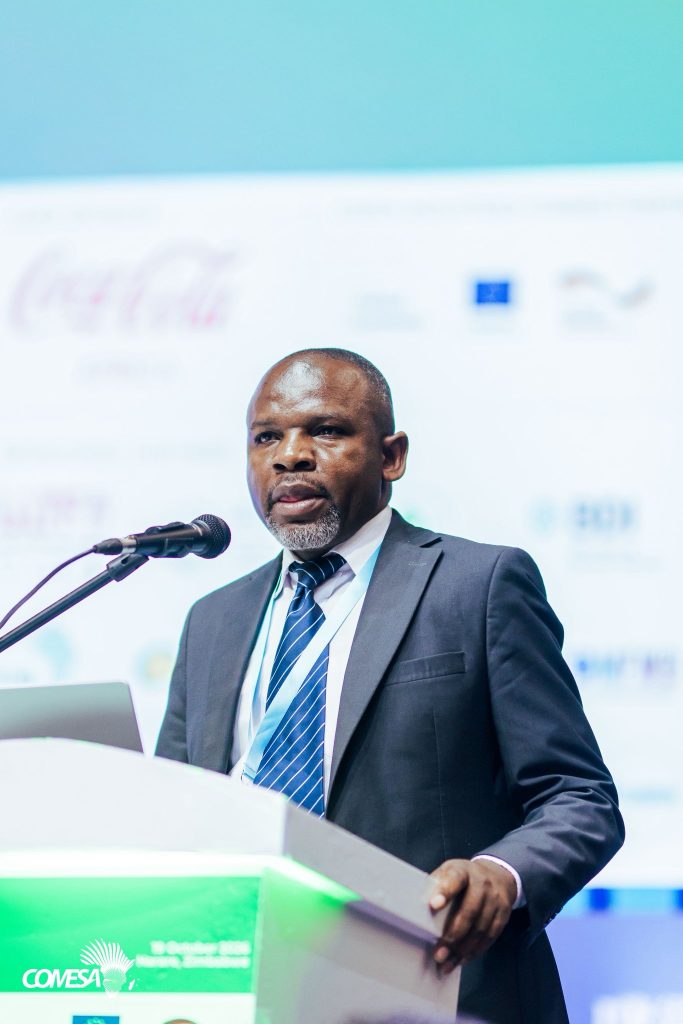
“Africa is losing billions of dollars in potential revenue by exporting raw hides and skins instead of processing them into finished leather products” Africa Economic Development Strategies (AEDS) Director General, Professor Gift Mugano.
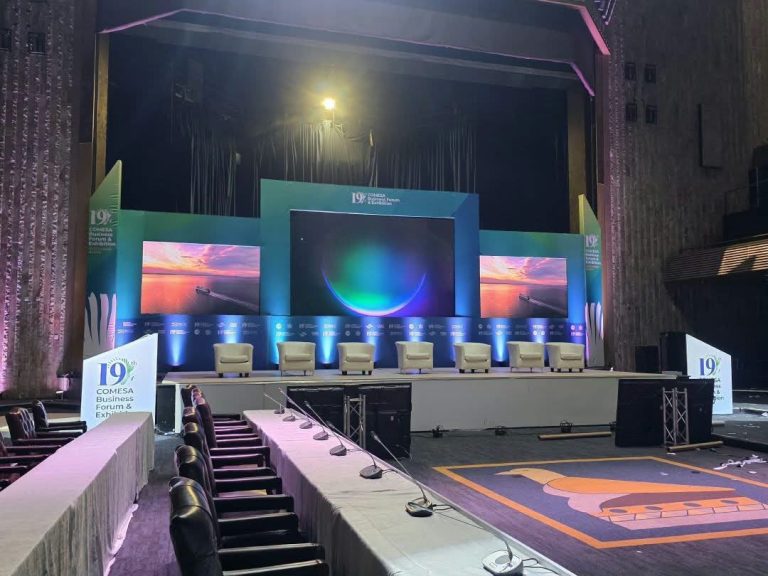
Addressing stakeholders in the leather sector, at the 19th COMESA Business Forum and Exhibition at the Harare International Conference Centre ,Prof. Mugano noted that the real value lies in manufacturing, not raw material exports. He explained that a salted hide worth as little as US$5 to US$10 can generate around US$110 once processed into finished leather, highlighting the vast opportunities in value addition and beneficiation.
Despite controlling about 11 percent of the world’s cattle population, Africa continues to export raw leather while importing large volumes of finished products. The continent exports roughly US$169 million worth of leather products annually but imports around US$1.1 billion worth of finished leather goods, a trade imbalance that Prof. Mugano said amounts to exporting jobs and industrial opportunities.
He also called for greater adoption of circular economy principles, arguing that leather waste such as trimmings, off-cuts and wastewater can be transformed into valuable products. According to estimates cited by Prof. Mugano, the circular economy could unlock up to US$546 billion in economic value across Africa while creating millions of jobs.
Prof. Mugano identified limited financing, weak processing capacity and inadequate standards infrastructure as some of the major challenges holding back the sector. He urged governments, development finance institutions and pension funds to channel more long-term capital into leather processing and manufacturing industries.
To drive growth, he recommended discouraging raw leather exports, establishing dedicated industrial financing facilities, developing leather industry clusters and leveraging public procurement to support local manufacturers.
” Africa must stop exporting jobs and start exporting finished products,” he said, emphasizing that industrialisation and value addition remain critical for sustainable economic growth and job creation across the continent.