

Zimbabwe’s annual ZiG inflation decreased to 2.9% in August 2026, from the July 2026 rate of 3.2%, marking eight consecutive months of single-digit inflation, official data shows.
The country’s consumer price inflation maintained its downward trajectory in August 2026, driven by continued price stability across both local currency and United States dollar transactions.
According to data from the Zimbabwe National Statistics Agency (ZimStat), on a monthly basis, the ZiG inflation rate remained flat at 0.1%, matching the July figure.
ZimStat highlighted that price movements in the ZiG Consumer Price Index for the month were predominantly driven by cost increases within the transport sector.
US dollar-denominated prices demonstrated absolute month-on-month stability. The USD month-on-month inflation rate dropped to 0.0% in August 2026, shedding 0.3 percentage points from the 0.3% rate registered in July 2026, as price indices across all commodity divisions remained constant.
Meanwhile, the USD year-on-year inflation rate held firm at 3.1% for the second consecutive month.
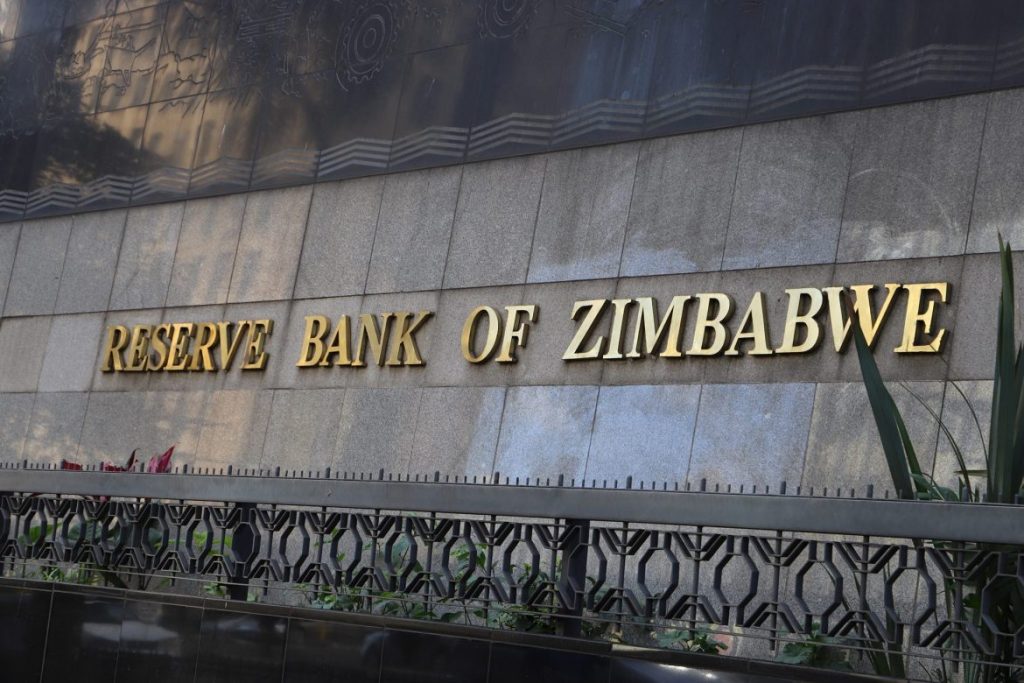
The Reserve Bank of Zimbabwe anticipates annual ZiG inflation to remain low and stable, averaging 5% and within the SADC macroeconomic convergence target of 3-7% by the end of the year.
Central bank governor Dr John Mushayavanhu said month-on-month inflation is projected to remain below 1%, without any significant domestic and external shocks.
This comes as development think-tank Africa Economic Development Strategies (AEDS) is of the firm view that the country will sustain single-digit inflation and entrench durable stability notwithstanding the existence of external shocks.
The AEDS projection is based on several reinforcing factors, which include firmly anchored inflation expectations, tight monetary policy, sustained stability in the local currency’s exchange rate, and strengthened coordination between monetary and fiscal authorities to prevent deficit monetisation.