
The government is stepping up preparations for the 2026/27 agricultural season, deploying measures to cushion farmers, livestock, and national food reserves against a potential El Niño-induced drought.
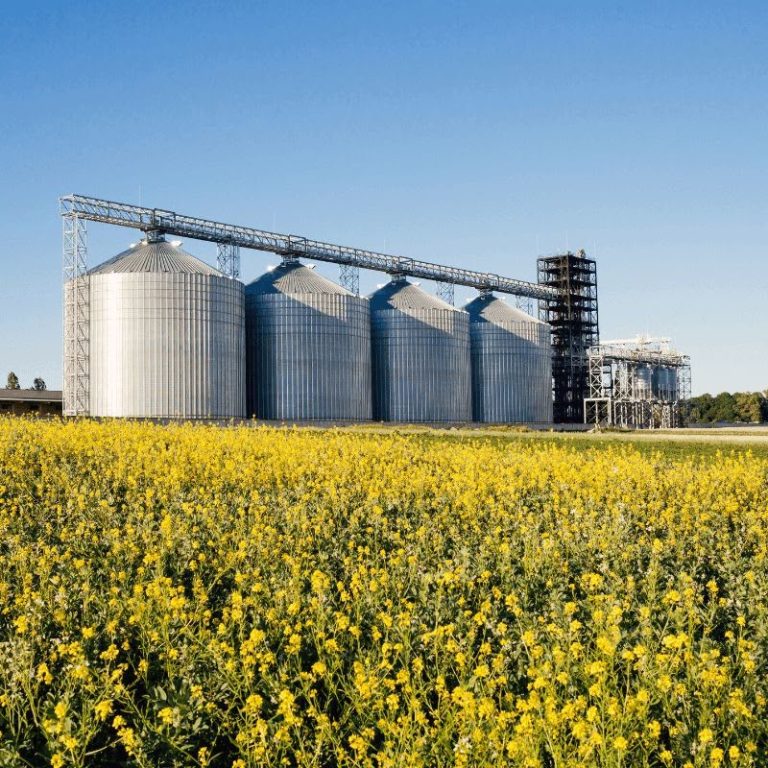
According to the 2026 Mid-Term Budget & Economic Review, a major focus will be on building up the Strategic Grain Reserve through increased purchases from local farmers.
The government also wants households and communities to keep their own grain stocks as an additional buffer against possible food shortages.
“Priority is being placed on strengthening the Strategic Grain Reserve through domestic grain purchases and mobilisation initiatives to ensure adequate national stocks ahead of the season,” the review says.
Storage facilities will be improved to ensure grain collected from farmers can be safely preserved and managed.
According to the plan, authorities will also continue buying grain from local production cycles to strengthen national reserves.
At farm level, the government is encouraging farmers to adopt practices that can help them cope with dry conditions. These include planting drought-tolerant crops, conservation agriculture, improving soil fertility and expanding irrigation.
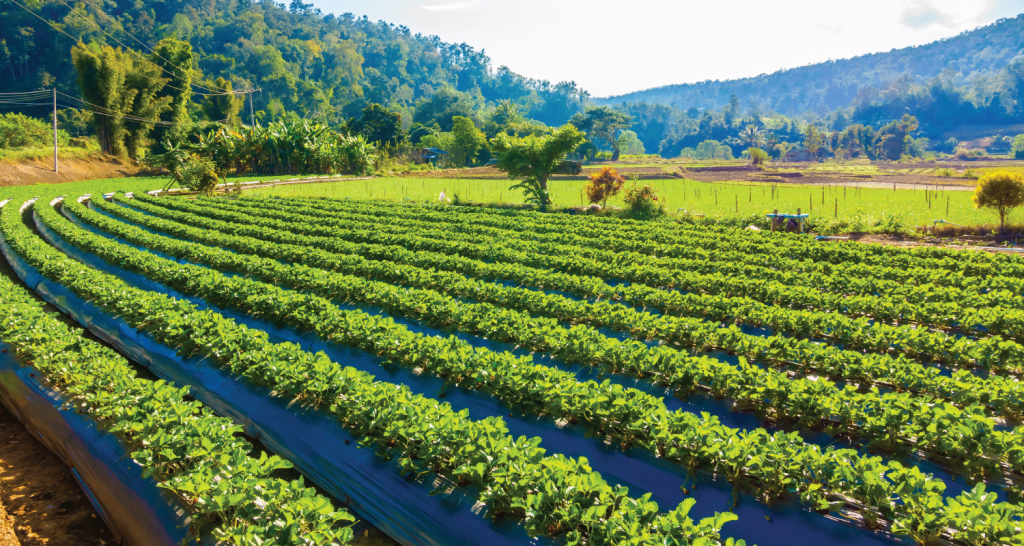
The irrigation target for the coming season has been raised from 258,773 hectares to 299,328 hectares as part of efforts to reduce the sector’s reliance on rainfall.
Financing will also be central to the agricultural response. Government plans to combine public funding with private-sector financing, development support and agricultural insurance to ensure farmers have access to the resources they need.
“To support agricultural production, government will implement an integrated financing framework drawing on public resources, private sector participation and agricultural insurance mechanisms,” the review says.
Programmes such as Pfumvudza/Intwasa and the National Enhanced Agriculture Productivity Scheme will form part of the support package, alongside partnerships with agricultural institutions and other stakeholders.
Government is also looking at ways of reducing the financial risks associated with climate shocks. This includes taking out sovereign risk insurance and encouraging farmers and households to insure their crops.
Should local production be affected by poor rainfall, authorities will facilitate the importation of essential food commodities and agricultural inputs to help maintain adequate supplies.
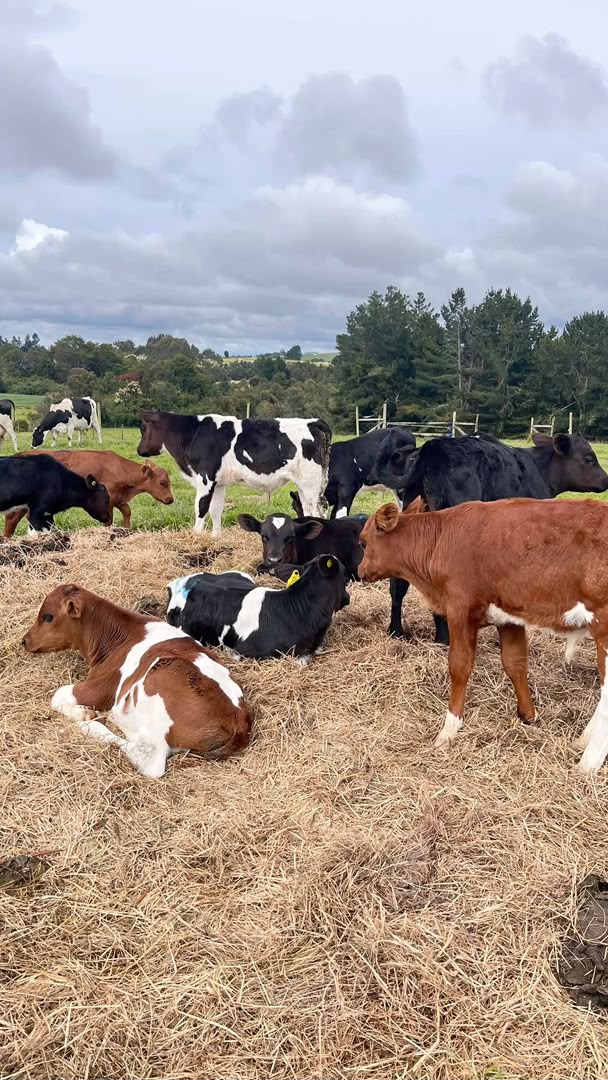
Livestock farmers will also be supported through measures aimed at reducing drought-related losses.
These include monitoring water and grazing conditions, improving access to feed and fodder, strengthening disease surveillance and vaccination, and continuing the National Tick Control Programme.
Another key component of the plan is improving communication with farmers. Government intends to strengthen early warning systems and agricultural extension services while working closely with traditional leaders and other stakeholders to ensure farmers receive timely weather information and appropriate farming advice.
The 2026/27 Agricultural Production Plan is expected to cost about US$696.2 million. The funding will cover areas including Pfumvudza/Intwasa, cotton production, livestock and veterinary services, mechanisation, fisheries, pest control and agricultural monitoring.
The programme will draw funding from government, the private sector, development partners and public-private partnerships.
With the next farming season expected to present significant climate challenges, the Government’s approach is to prepare early, protect national grain stocks and give farmers more tools to maintain production even when rainfall is limited.