

The government is establishing an Infrastructure Development Fund (IDF) to accelerate critical infrastructure projects and ease fiscal pressure on public finances by leveraging capital from domestic, regional, and international institutions.
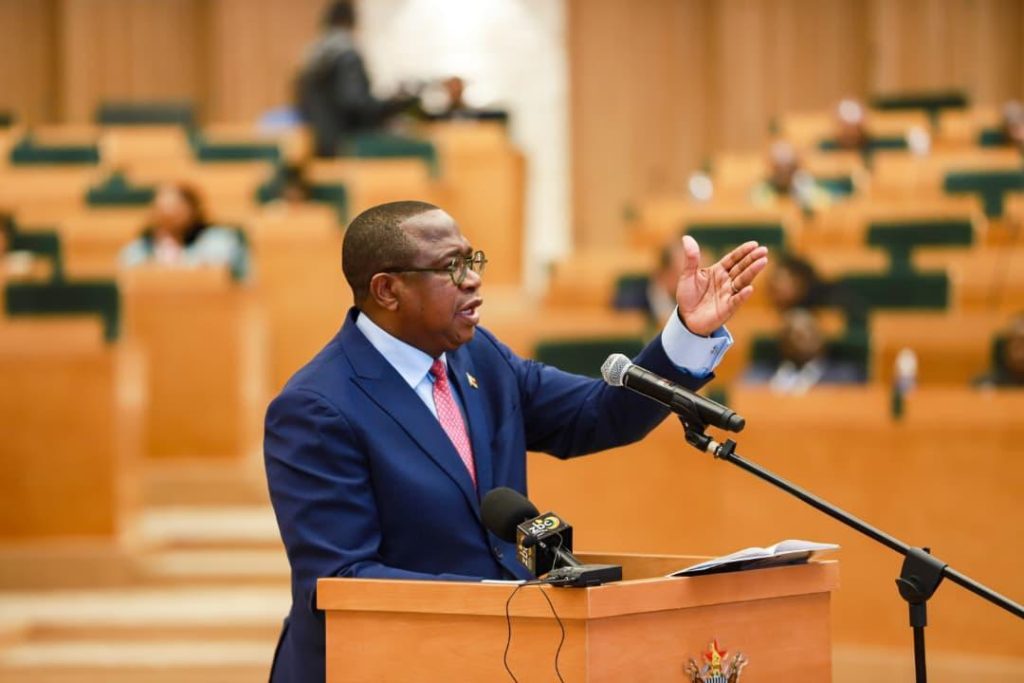
In the 2026 Mid-Term Budget Review, Minister of Finance, Economic Development and Investment Promotion Professor Mthuli Ncube said the new fund will back capital projects by borrowing against earmarked revenue streams.
The financing framework will target critical economic and social infrastructure across six primary sectors, including energy, irrigation, education, healthcare, rail, and roads.
As part of the initial rollout of the IDF framework, he said a US$400 million loan facility has been arranged with local financial institutions to fund key transport corridors.
“As part of this initiative, an arrangement has been made with local financial institutions to mobilise a US$400 million loan towards completion of the remaining 33km on the Harare-Beitbridge Road, construction, rehabilitation and maintenance of the Harare-Chirundu Road and Bulawayo-Victoria Falls Road, among other high-priority road projects,” the Minister said.
He said tranche financing is already underway, with US$100 million secured and pending the fulfillment of standard conditions precedent.
To reassure lenders and secure commercial terms, Prof Ncube said the loan repayments for the facility will be strictly ring-fenced against revenue collections from the Zimbabwe National Roads Administration.
Zimbabwe’s major transport corridors, including key routes connecting to South Africa, Zambia, and regional tourism hubs, have faced persistent funding constraints and heavy wear.
Establishing off-budget financing mechanisms, such as the IDF, anchored by guaranteed revenue streams, allows the government to accelerate highway rehabilitation without adding direct pressure on the national budget.